Unlocking the Game with a Basketball Coaching Sheet
Imagine a grandparent sitting in the bleachers, pencil in hand, eyes beaming as they scribble down every basket their grandchild scores. A few rows away, a coach tracks not just points but defensive rotations, and a parent quietly tallies shots taken versus shots made—turning raw fandom into meaningful data. At the heart of all these scenes is one deceptively simple tool: the basketball coaching sheet. Far more than a piece of paper, it becomes a shared language between generations, a training feedback loop for athletes, and a keepsake that transforms numbers into stories. When designed thoughtfully, it makes stat keeping feel less like a chore and more like a natural extension of watching the game you love.
Why Every Basketball Community Relies on Stat Tracking
Basketball is fast—possessions change in seconds, and memory alone rarely captures the full picture. Recording performance metrics helps players understand their strengths and blind spots. For coaches, a well-kept sheet reveals patterns: who consistently crashes the boards, which lineups generate the most assists, and when the team’s defensive intensity dips. Parents and grandparents often use tracking as a way to stay connected, turning spectator moments into interactive experiences. Even hobbyists analyzing pickup games or recreational leagues benefit from objective data that settles debates and fuels improvement. A reliable basketball coaching sheet bridges this gap, converting live action into structured information without disrupting the joy of watching.
The Core Elements Worth Capturing
While a stat sheet can be as simple as a points column, the most useful versions include categories that reflect modern basketball understanding. Standard fields like field goals made and attempted, free throws, three‑pointers, rebounds (offensive and defensive), assists, steals, blocks, turnovers, and personal fouls create a complete snapshot. Beyond that, savvy statisticians often add a plus/minus column, a shot location chart, or a small notes area to record intangibles: “took charge,” “hustle play,” “great box‑out.” A quality sheet balances comprehensiveness with clarity—too many columns lead to clutter, too few miss vital context. Striking that balance is where design becomes essential.
The Psychology of a Simple, Inviting Layout
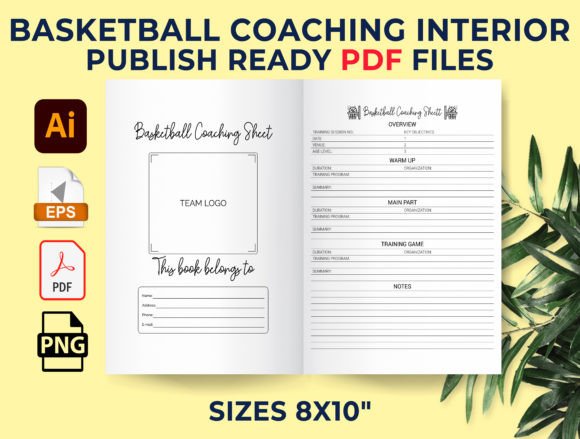
Nobody wants to squint at tiny boxes or decipher cramped handwriting after a game. A sheet that feels approachable encourages consistent use. One popular format uses an 8″ x 10″ size, which fits easily on a clipboard or lap desk yet provides enough room for legible entries. The absence of bleed ensures that when printed at home or through a professional service, no important markings disappear off the edge. While the dimensions might seem like a small detail, they directly affect portability and comfort—a sheet that slides into a binder or folder also makes referencing historical games seamless. When pages are neatly contained in a book of 120 pages, a single season of high school or youth basketball fits perfectly, creating a complete chronological record.
Design That Lets the User Lead
Not all basketball tracking forms are created equal. Simplicity is powerful, but a unique design that groups related statistics logically can reduce mental load. For instance, placing all shooting categories together, then rebounding, then playmaking, and finally defensive metrics mirrors how the brain processes the flow of a game. Plenty of white space keeps eyes from crossing mid‑action, and a dedicated space for writing notes legitimizes those non‑statistical observations that truly define a performance. A subtle intro page might explain shorthand symbols or provide a quick reference, making the sheet welcoming for beginners—a grandparent tracking their first season, or a young player learning to self‑scout.
Print Quality That Honors the Effort
Because many of these sheets live as printed tools, the digital file behind them matters. A high‑resolution 300 DPI master ensures that even tiny numerals stay crisp, preventing the fuzzy edges that can plague lower‑quality prints. Whether you print from a home inkjet or send the file to a print shop, the result should be identical to what you see on screen. Formats like PDF, AI, EPS, and PNG give users flexibility—the vector options allow seamless scaling without quality loss, while PNGs offer quick sharing. The fact that such files are often tested for platforms like Kindle Direct Publishing (KDP) with no errors indicates they’ve been refined for real‑world printing, where missing margins or alignment quirks can ruin an entire book. This reliability matters when you’re assembling a full season’s worth of stat sheets that must withstand frequent handling.
Adaptable for Every Role in the Gym
The basketball ecosystem is wonderfully diverse, and so are the applications of a stat sheet. Coaches use them for scouting reports, player development plans, and post‑game film breakdowns—paging back through a 120‑page book to compare an athlete’s month‑over‑month efficiency. Parents often track their child’s minutes and shot selection to have informed conversations, not to pressure but to support. Grandparents delight in tallying points, often becoming the unofficial family historian who remembers that one game where a grandchild grabbed 14 rebounds. Even creators—bloggers, content analysts, or fantasy league commissioners—lean on these sheets to generate credible content or power friendly competitions. The same basketball coaching sheet serves the data nerd and the sentimental fan equally, because the person filling it decides the depth.
Making Stat Tracking Something You Look Forward To
The phrase “keeping stats fun and easy” isn’t marketing fluff when the tool actually gets out of its own way. A critical design choice is simple tracking—using checkboxes for free throw attempts, or a small circle to denote a three‑pointer, reduces writing. Some sheets incorporate a running total box so you never have to pause for mental math. The fewer times you need to count on your fingers, the more you can watch the game. Aesthetically, a cover or intro page that feels personalized (even if blank for customization) transforms the book from a generic pad into a season‑long companion. When a player flips through after the final whistle, the accumulation of 120 pages resembles a diary of growth.
Practical Workflows for the First‑Time User
Starting fresh can be intimidating. One effective method is to assign a single stat category to each family member: one handles points, another rebounds, a third tracks assists and turnovers. This shared responsibility keeps the task light and accurate. Before tip‑off, write the date, opponent, and starting lineup at the top—the small ritual signals that this game matters. During timeouts, use the notes space to jot down a formation change or a moment of sportsmanship. After the game, take sixty seconds to review the sheet together; players often light up seeing their contributions in black and white. Over time, the habit becomes second nature, and the basketball coaching sheet evolves from a blank grid into a documented journey.
Turning Numbers Into Next Steps
Data without application is just noise. A coach might notice a player’s field goal percentage dropping in the fourth quarter, prompting a conversation about conditioning. A parent spotting a high turnover rate could frame it as an opportunity to focus on passing drills at home. The best stat sheets invite review, and the physical format—thick, durable paper with a clear layout—encourages circling anomalies and drawing arrows toward future goals. Even the aesthetic of a high‑resolution print with no bleed reinforces that the information is worth preserving. When sheets look and feel substantial, people treat the contents with greater respect.
Customization Without Overcomplication
Generic templates fall short because every team has different priorities. Some leagues emphasize hustle stats like deflections; others care deeply about assist‑to‑turnover ratio. The idea behind a sheet that you can “add or delete as much as you want” is profound but doesn’t require graphic design skills. It simply means the digital source files (like an AI or EPS) let you duplicate a column, remove one that isn’t used, or enlarge the notes section. For a veteran coach, that flexibility allows tailoring a single master to varsity and junior varsity needs. For a parent, it might mean simplifying the sheet so a six‑year‑old can track only baskets and smiles. This adaptability keeps the sheet relevant across contexts, all while preserving the core usability that made it popular in the first place.
Why Physical Sheets Still Matter in a Digital World
Apps and wearables promise automated tracking, yet they often detach the user from the game’s texture. Pencil on paper forces a kind of active watching that deepens understanding. There’s a tactile satisfaction to flipping through filled pages at season’s end, smelling the faint graphite, and seeing handwriting evolve. A basketball coaching sheet also works when Wi‑Fi doesn’t, in gyms with poor reception, or for grandparents who prefer unplugged simplicity. Technology is powerful, but as a companion rather than a replacement, a well‑designed book of stat sheets holds its own. The combination of timeless feel and modern print quality—300 DPI crispness delivered from a KDP‑tested file—bridges both eras.
Creating a Keepsake That Outlasts the Season
Beyond coaching utility, these filled pages become archives. Years later, families rediscover a 120‑page book in a closet and relive the clutch free throws, the buzzer‑beaters, and the growth spurts tracked through shooting percentages. The notes jotted in the margin—“first time guarding the star player” or “best game of the season”—cannot be captured by a spreadsheet. The unique design and durable print ensure the document survives long enough to matter. In a youth sports culture that often moves too fast, the simple act of writing down achievements turns fleeting moments into permanent memories, and a thoughtfully crafted stat sheet becomes the vessel.