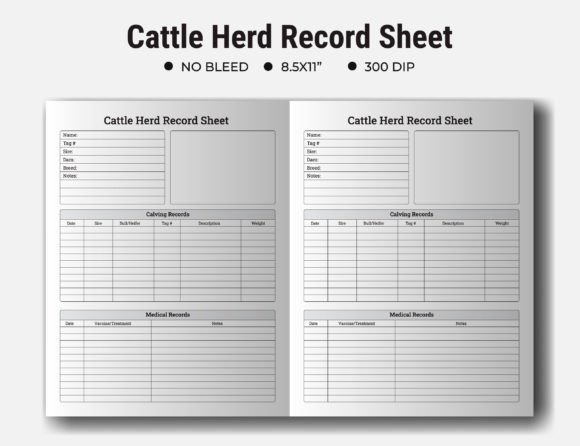
Cattle Herd Record Sheet: Building a System That Actually Works for Your Farm
You spent the morning rotating pastures, noticed one heifer seemed a little off, and now you're standing in the barn trying to remember which calf came from which cow three months ago. That scrap of paper from last week is gone, and your phone is covered in dust. Sound familiar? A Cattle Herd Record Sheet isn't just another form to fill out—it's the difference between guessing and knowing when it comes to your operation's health and profitability.
Why Memory Alone Isn't a Management Strategy
Most small herd owners start out keeping everything in their heads. Birth dates, vaccination schedules, which bull covered which group of cows—it works fine with five or ten animals. Then the herd grows to thirty, or you bring in a few purchased replacements, and suddenly the mental notes start failing. You might miss a calving interval that's stretching too long, or you might sell an animal without realizing she was your most consistent producer because the records weren't there to tell you otherwise.
A printable cattle records page gives you a single source of truth that doesn't rely on battery life, memory, or whether you remembered to back up a spreadsheet. It lives in the truck, the barn office, or wherever you actually make decisions. That accessibility matters more than most people realize until they need a vaccination history for a buyer or a vet visit and can't find it.
What a Useful Record-Keeping Worksheet Actually Captures
Different operations need different data, but the core information that drives better decisions tends to stay consistent. A well-designed livestock tracking sheet accounts for the details that affect your bottom line.
Individual animal identification comes first—tag numbers, names, ear notch patterns, whatever system you actually use in the field. Beyond that, records worth keeping include birth dates and weights, sire and dam information, vaccination and treatment dates with withdrawal periods noted, breeding and pregnancy check dates, and any disposition notes that affect handling or sale decisions.
Production records deserve their own attention. Whether you track weaning weights, milk production data, or carcass quality metrics, these numbers tell you which animals are pulling their weight and which ones are quietly dragging down your averages. A herd productivity tracker helps you spot patterns—maybe calves out of a particular bull consistently underperform, or a certain cow family always delivers easy births and fast-growing offspring.
The Practical Side of Daily Herd Documentation
Nobody wants to fill out paperwork at the end of a long day. That's why the format of your farm management notebook matters as much as what goes in it. Loose pages disappear. Complicated software requires data entry when you'd rather be eating dinner. A bound or organized printable system that sits where you work removes friction.
Some producers prefer sectioned pages—breeding records grouped together, health records in another section, inventory counts updated monthly or quarterly. Others want a chronological running log where everything gets entered as it happens, with index tabs to find specific animals later. There's no wrong approach, only the one you'll actually maintain.
The physical format matters too. An 8.5" x 11" page gives enough room to write without squinting, stores easily in standard binders or filing systems, and creates a professional-looking record when you need to share information with a veterinarian, accountant, or potential buyer.
Veterinary Records That Save Money and Headaches
When the vet asks when you last treated that cow for pinkeye, or a buyer requests a complete health history before closing a deal on registered stock, your medical history documentation either makes you look organized or leaves you scrambling. Treatment records with dates, products used, dosages, and withdrawal periods protect you from selling an animal with residue risks and demonstrate responsible management.
Beyond individual treatments, tracking herd-level health patterns reveals whether certain issues keep cropping up. Maybe foot rot appears every wet season in a particular pasture, suggesting drainage work would pay for itself. Maybe calves from first-calf heifers consistently need more intervention during calving season, pointing toward sire selection adjustments. A livestock health record that accumulates data over multiple seasons turns reactive treatment into preventive management.
Breeding Records and Calving Data for Better Genetics
Breeding season decisions ripple through your herd for years. Which bull covered which group, when he went in and came out, and what his calves actually looked like—this information shapes your replacement selection and culling decisions. Without a cattle herd record sheet tracking breeding dates, you're estimating calving windows and potentially missing problems like bulls that aren't settling cows.
Calving records deserve their own detail. Birth weights, ease of calving scoring, calf vigor notes, and any assistance required all feed into future management. A heifer that needed help with her first calf might do fine next time, or she might be a repeat offender you should cull rather than keep. You won't know which without notes from the moment it happened, not weeks later when the memory has softened.
Inventory Management That Goes Beyond Head Counts
A working cattle inventory system shows you more than how many animals you own. It reveals age distribution—are you too heavy on older cows that will need replacing soon? It shows stocking rates relative to available pasture or feed resources. It tracks purchases and sales so you can reconcile what you thought you had with what's actually on the ground.
Regular inventory counts catch problems early. A missing ear tag might be a simple replacement or might indicate an animal that slipped through a fence. A calf that doesn't appear in the count might have been lost without your noticing during a busy season. These reconciliations keep your numbers honest and your management responsive.
Production Tracking for Real Profitability Insights
Production metrics separate a hobby from a business. Whether you measure pounds of beef produced per acre, milk per lactation, or calves weaned per cow exposed, the numbers tell a story that gut feelings can miss. A herd data sheet that captures weights at standard intervals—birth, weaning, yearling—lets you calculate average daily gains and identify which animals and genetics deliver results.
Milk production records for dairy or dual-purpose herds add another layer. Tracking daily or monthly totals, butterfat content, and lactation curves helps with culling decisions and feeding adjustments. A cow eating the same ration as her herdmates but producing significantly less is costing you money in ways that compound over years if you don't measure and act.
Making Your Record System Part of the Routine
The best system in the world does nothing if it stays blank. Build livestock documentation into existing habits rather than treating it as a separate chore. Fill out records during the same barn check when you're already observing animals. Keep the sheets or notebook visible—if you have to dig it out of a drawer every time, the friction wins and the records stay empty.
Some days the entries will be brief: "All normal, moved to north pasture." That's fine. The consistency matters more than the depth of any single entry. When you do have an unusual event or a treatment, the habit is already there, and the detail gets recorded without feeling like extra work.
Seasonal reviews turn your stacks of daily notes into management intelligence. Before breeding season, review which cows produced well and which ones struggled. Before selling calves, check vaccination records for completeness. Before winter feeding starts, run your inventory and compare to available feed resources. A printable cattle records page system that's been maintained all year makes these reviews straightforward rather than panic-inducing.
Creating a Resource That Adapts to Your Operation
Different herds need different emphasis. A registered seedstock operation demands pedigree details and performance data that a commercial cow-calf producer might skip. A direct-marketed beef business needs processing weights and customer order information alongside animal records. A small homestead dairy might focus on milk production and breeding dates above all else.
The value of a flexible cattle record-keeping worksheet comes from adapting to those specific needs while maintaining the core structure that keeps everything findable. Blank templates that give you room to customize without forcing you to design the system from scratch hit the sweet spot—enough structure to stay organized, enough flexibility to reflect your actual operation.
From Paper Records to Better Decisions
The end goal isn't pretty record books. It's decisions backed by information instead of hunches. Knowing which cow produced your best calf two years running. Spotting a bull whose offspring are consistently below average. Catching a health issue early because you noticed a pattern across treatment records. Selling animals with complete histories that justify premium prices.
A herd management system built on consistent, practical record-keeping pays for itself in ways both expected and surprising. It reduces the mental load of trying to remember everything. It impresses buyers and veterinarians. It catches problems early when they're cheaper to fix. Most importantly, it treats your operation like the serious endeavor it is—whether you're running ten cows on pasture or managing hundreds across multiple properties.
The sheet or page is just a tool. What you do with it—the daily discipline of noting what matters, the seasonal review of what the data tells you, the willingness to act on what you learn—that's where farm efficiency and herd improvement actually happen. Start where you are, record what helps, and let the system grow alongside your herd.