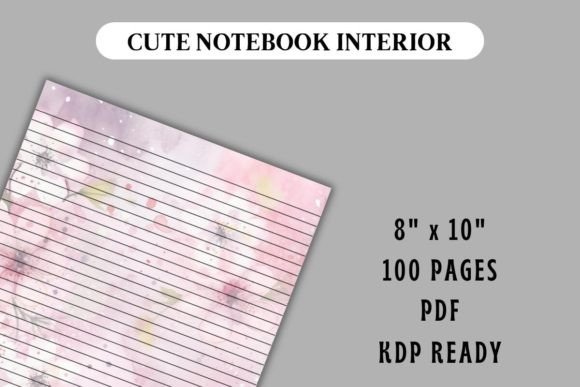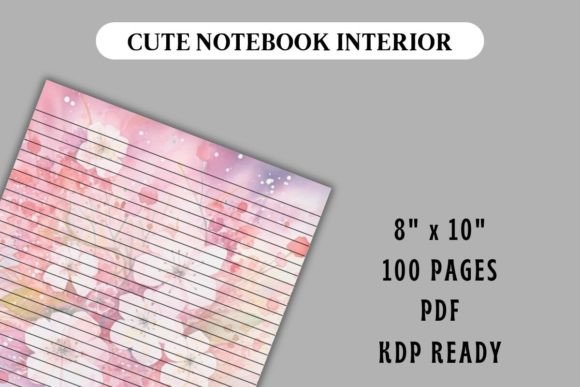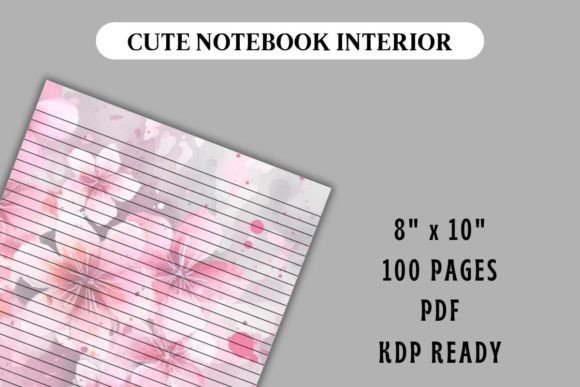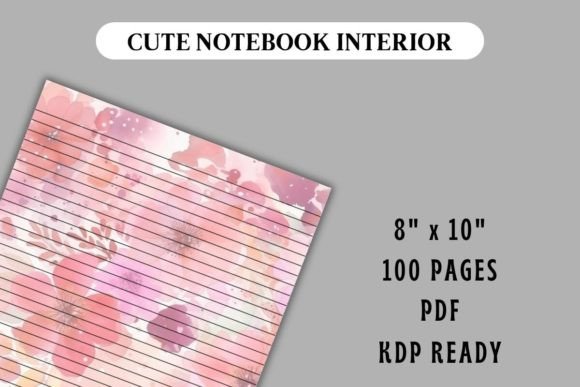
Floral Watercolor 5 Journal Interior
There is something quietly transformative about opening a journal that feels like a work of art before a single word touches the page. The Floral Watercolor 5 Journal Interior delivers exactly that experience—a meticulously crafted digital design asset that brings soft, hand-painted floral elegance into a beautifully structured notebook format. Created for designers, publishers, and creative entrepreneurs who understand the power of visual presentation, this ready-to-upload interior file elevates any low content or no content book from ordinary to exceptional.
In the world of print-on-demand publishing, the interior design of a notebook matters just as much as the cover. Readers and customers make split-second decisions based on visual appeal, and a thoughtfully designed interior signals quality, care, and professionalism. This particular journal interior combines watercolor artistry with clean, functional layout principles, making it a valuable creative asset for anyone building a brand around journals, notebooks, or guided writing products on platforms like KDP.
Why Interior Design Defines the User Experience
Modern aesthetics in print design demand more than blank pages. The visual hierarchy established by soft floral borders, delicate corner details, and well-proportioned margins guides the eye naturally across each spread. When someone opens a journal, the first impression shapes their entire writing experience. A cohesive design language—consistent watercolor motifs, balanced white space, and harmonious color palettes—creates an emotional connection that keeps users returning to the page.
From a graphic design perspective, the Floral Watercolor 5 Journal Interior demonstrates how decorative elements should support usability rather than overwhelm it. The watercolor illustrations frame the writing area without intruding on it, which is a fundamental principle of editorial design. Every line, every petal, and every wash of color serves the dual purpose of beautification and spatial organization.
The Intersection of Branding and Print Design
For independent publishers and brand builders, consistency across product lines builds recognition and trust. A signature interior style becomes part of the brand identity, much like a logo or a specific typography choice. By incorporating floral watercolor elements throughout a journal line, creators establish a recognizable aesthetic that customers learn to associate with quality and beauty.
This digital product simplifies that branding effort considerably. Instead of commissioning custom illustrations or spending hours in design software, publishers receive a polished, 100-page interior ready for immediate use. That kind of efficiency transforms the design workflow, freeing up creative energy for marketing, product expansion, and customer engagement.
Practical Applications Across Creative Projects
The versatility of a well-designed journal interior extends far beyond personal diaries. Consider these practical applications where the floral watercolor aesthetic adds measurable value:
- Branded notebooks for small businesses seeking cohesive merchandise that reflects their visual identity
- Wedding and event stationery where the interior matches invitation suites and day-of materials
- Guided gratitude journals that benefit from a calming, nature-inspired layout to encourage reflection
- Creative writing workbooks where decorative pauses between sections improve readability and pacing
- Wellness and mindfulness products that rely on soft, organic visuals to communicate tranquility
- Digital product bundles where interior files pair with matching covers, stickers, or social media graphics
Each of these use cases benefits from the emotional resonance that watercolor art naturally provides. The medium itself carries connotations of authenticity, craftsmanship, and gentle imperfection—qualities that resonate deeply in an increasingly digital world.
Typography, Composition, and Visual Communication
While the floral elements capture attention, the underlying structure of a journal interior relies heavily on sound composition principles. Margins must accommodate binding requirements. Line spacing should feel comfortable for extended writing sessions. Page numbers, if included, need consistent placement that never interferes with the primary content area. The Floral Watercolor 5 Journal Interior addresses all of these considerations within its 8 x 10 inch format, a generous trim size that offers substantial writing real estate.
Typography plays a supporting but crucial role. Even in low content books where text is minimal, any included headers, prompts, or section markers must use typefaces that complement the watercolor aesthetic. Serif fonts can echo traditional elegance, while carefully selected sans-serif options maintain contemporary appeal. The interplay between typographic choices and illustrative elements determines whether the final product feels cohesive or disjointed.
Color Palette and Emotional Impact
Watercolor florals bring a distinctive color palette to print design—soft washes of rose, lavender, sage green, and buttery yellow that feel organic rather than manufactured. These hues work exceptionally well for products targeting audiences interested in self-care, creativity, and mindfulness. The colors read as gentle and inviting, lowering psychological barriers and encouraging free expression on the page.
For designers expanding into packaging design or editorial layouts, understanding how these color palettes influence perception is invaluable. Warm, muted tones create approachability. High-contrast, saturated colors command attention. The watercolor approach strikes a balance that suits a wide range of applications without feeling generic.
Streamlining the Design Workflow with Ready-to-Use Assets
Professional graphic designers know that time spent on repetitive layout tasks is time not spent on creative strategy. A ready-to-upload PDF file—sized correctly, formatted consistently, and meeting platform specifications—eliminates the technical friction that often stalls publishing projects. This particular interior arrives as a single digital file prepared for immediate upload to KDP or any comparable print-on-demand service.
The value proposition centers on speed and quality combined. Rather than building a 100-page interior from scratch, creators can focus on cover design, marketing copy, and audience growth. That acceleration of the design workflow translates directly into faster product launches and more diversified catalog offerings.
Choosing Design Assets That Align With Your Goals
Selecting the right interior design requires honest evaluation of audience expectations and personal brand positioning. A floral watercolor journal appeals to specific demographics—those drawn to botanical themes, romantic aesthetics, and handcrafted visual language. Before adopting any design asset, consider whether it supports or contradicts the brand identity you have established across digital marketing channels, social media graphics, and existing product lines.
Consistency remains paramount. A journal interior that clashes with its cover or with the broader visual identity of a shop confuses potential buyers. When evaluation leads to alignment, however, the result is a product that feels intentional from first glance to final page.
Thoughtful design choices compound over time. Each product that leaves a positive impression builds reputation, encourages repeat purchases, and generates organic word-of-mouth. The Floral Watercolor 5 Journal Interior represents one such choice—a premium foundation for creative projects that value beauty, usability, and professional presentation in equal measure. In an industry where standing out requires both aesthetic sensitivity and practical efficiency, quality creative assets make all the difference.